About the Program
Duration
2 Years
Annual Intake
60 Seats
Year Fee
A Master of Science (MSc) in Chemistry is a graduate-level program that delves deep into various aspects of chemistry, including theoretical principles, laboratory techniques, research methodologies, and practical applications. Here's an overview of what you might expect from an MSc in Chemistry program. You'll take advanced courses in organic, inorganic, physical, and analytical chemistry, along with specialized topics such as biochemistry, polymer chemistry, medicinal chemistry, or environmental chemistry. A significant portion of the program involves hands-on laboratory work where you'll conduct experiments, analyze data, and gain practical experience with sophisticated instruments and techniques. Many MSc programs require students to conduct independent research projects under the supervision of a faculty member. This culminates in a thesis or dissertation that demonstrates your ability to design and execute experiments, analyze results, and draw conclusions. You may be required to give presentations on your research findings or on selected topics in chemistry to your peers and faculty members. Some programs offer elective courses or allow you to specialize in areas such as computational chemistry, materials science, spectroscopy, or chemical engineering, depending on your interests and career goals.Typically, an MSc in Chemistry program lasts for about 1 to 2 years, depending on the institution and whether you're studying full-time or part-time. Graduates of MSc in Chemistry programs pursue various career paths, including research and development in industries such as pharmaceuticals, biotechnology, cosmetics, and materials science.
Other career options include teaching, environmental science, forensic science, patent law, and government positions.
Most programs require a bachelor's degree in chemistry or a related field.
An MSc in Chemistry provides advanced training in chemical theory and experimentation, preparing students for careers in research, industry, academia, and beyond. It offers opportunities for specialization and hands-on experience that are valuable in today's competitive job market.
Key Features of PLM
Curriculum & Syllabus
| Code | Subject Name |
|---|---|
| MSCCM11506 | Practicals |
| MSCCM11501 | Fundamental Organic Chemisrty |
| MSCCM11502 | Natural Product - I |
| MSCCM11503 | Dyes and Intermediates |
| MSCCM11504 | Chemistry of Heterocyclic Compounds |
| MSCCM11505 | Enviromental Chemistry (Minor-I) |
Video About Department
Departmental Video
Campus Placements

Baraiya Kapil


Pathak Dev


Pathak Devang

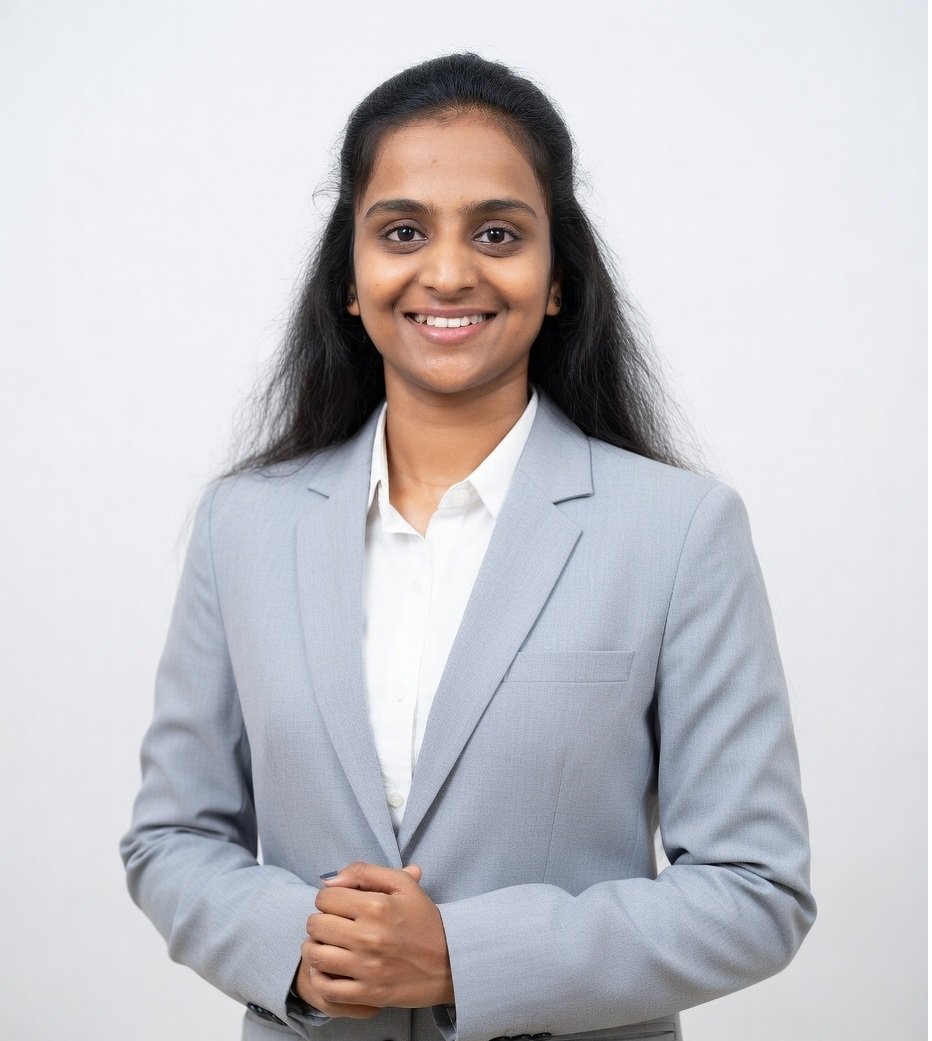
Baraiya Krishna


Pathak Dhrashti

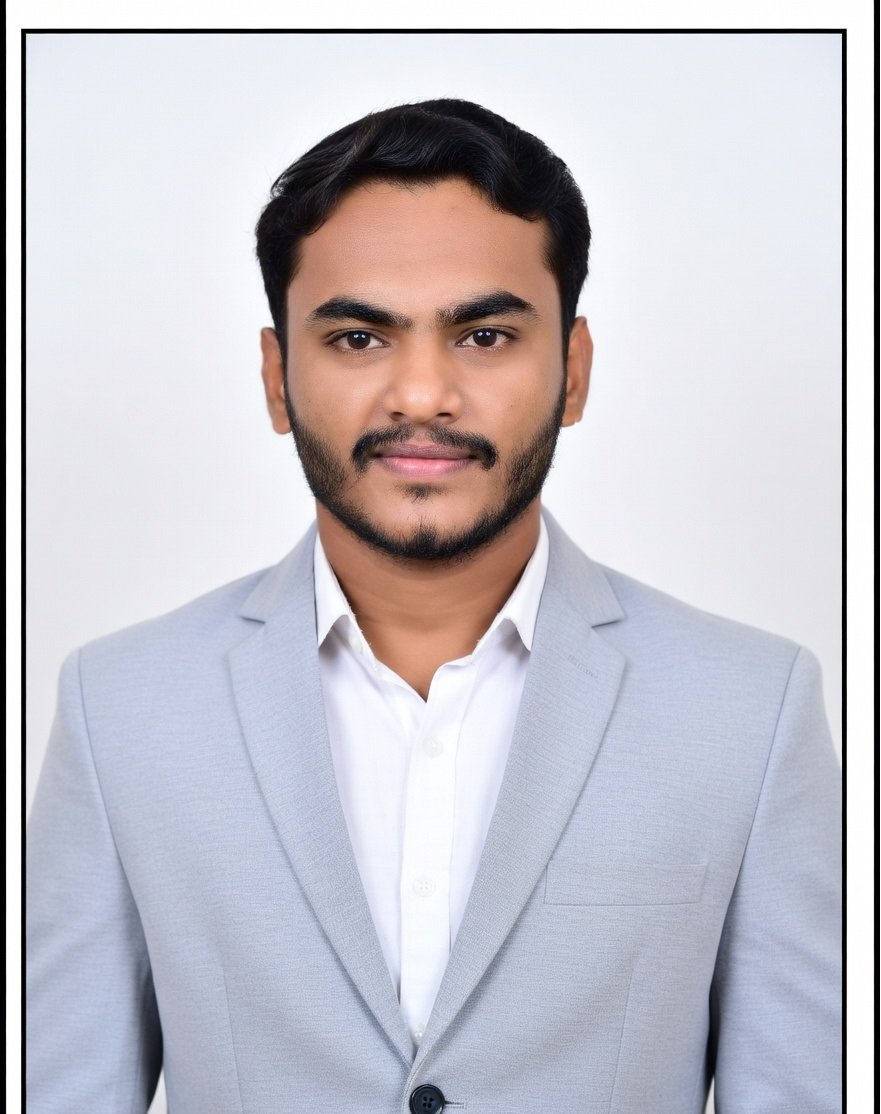
Nitesh Makwana 20230212020019

State-of-the-Art Infrastructure (Laboratories)
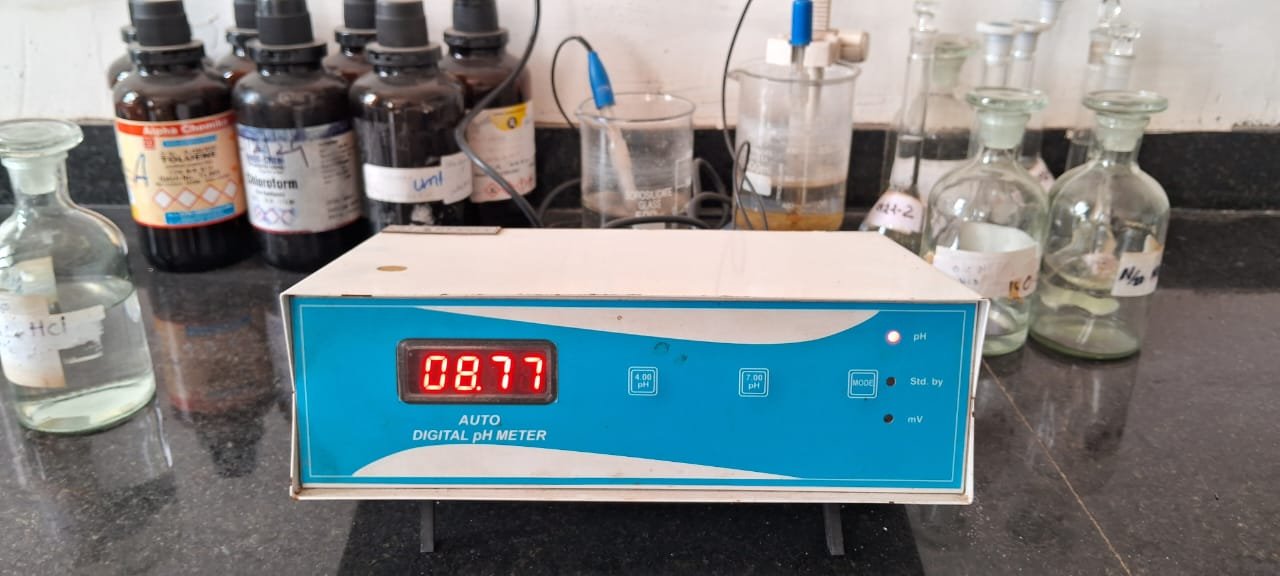
CHEMISTRY LABORATORY
We have well-equipped laboratories of chemistry that provides all the facilities related to volumetric, gravimetric, colorimetric, different instrumen...
Explore Laboratories2+
Laboratories
200+
Equipment
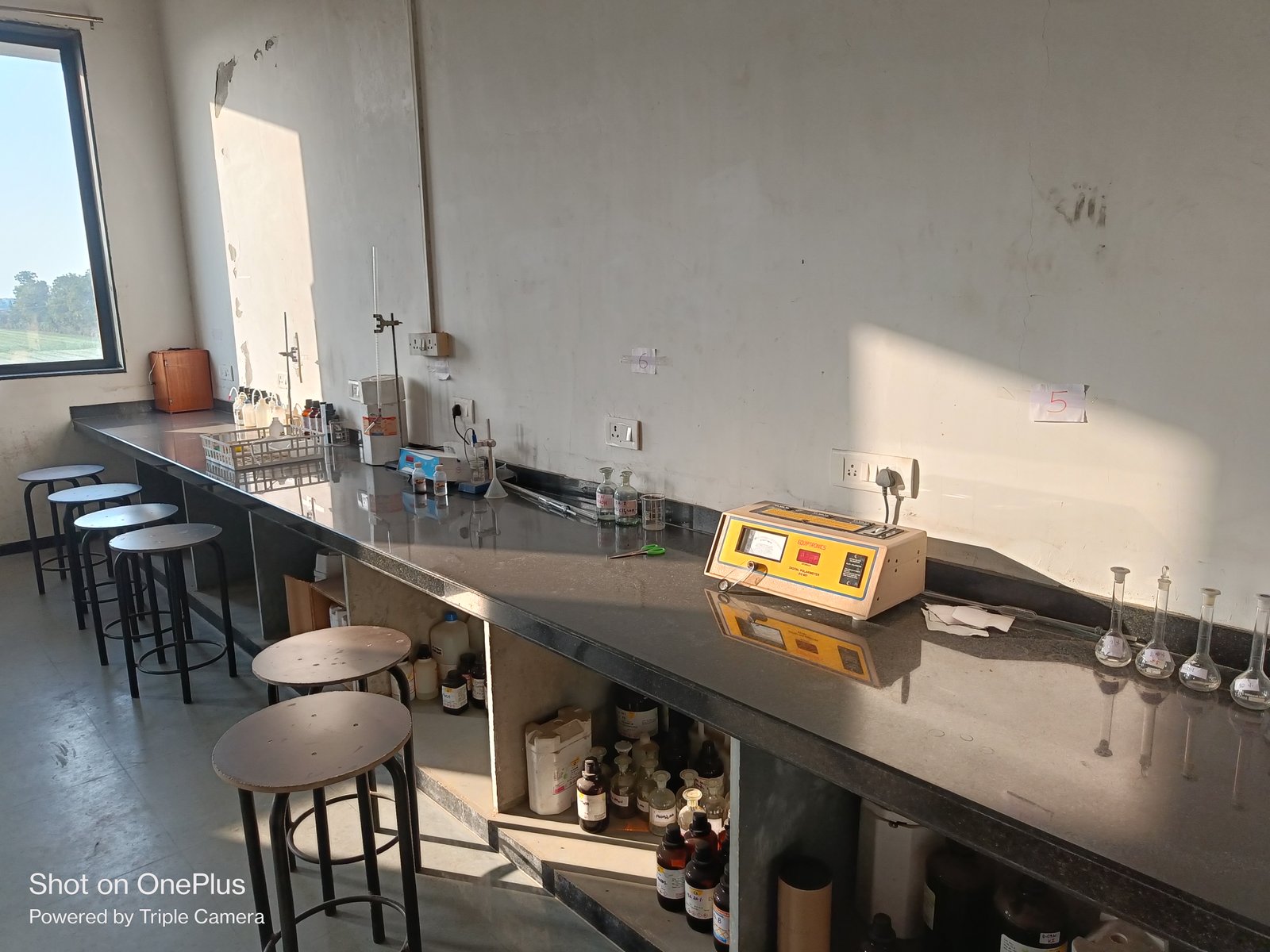
Physical Chemistry Laboratory
We have well-equipped laboratories of chemistry that provides all the facilities related to volumetric, gravimetric, colorimetric, different instrumen...
Explore Laboratories2+
Laboratories
200+
Equipment