
About the Program
Duration
4 Years
Annual Intake
60 Seats
Year Fee
Chemical engineering is a branch of engineering that applies principles of chemistry, physics, mathematics, and economics to design, develop, and operate chemical processes on a large scale. These processes can involve the production of various products such as food, fuels, pharmaceuticals, plastics, and other materials. Chemical engineers use their knowledge of chemistry and engineering principles to develop and design chemical processes and equipment used in large-scale manufacturing. They also work to improve existing processes to increase efficiency and reduce costs while maintaining product quality and safety. Some of the key areas of focus in chemical engineering include process design and optimization, process control and instrumentation, thermodynamics, transport phenomena, reaction engineering, and process safety. Chemical engineers work in a variety of industries such as petrochemicals, pharmaceuticals, food and beverage, energy, environmental engineering, and more. They can work in roles such as process engineers, plant managers, research and development engineers, environmental engineers, and more.
Chemical engineering is an important field that contributes to the development and production of many essential products and materials that are used in our daily lives."
Key Features of PLM
Curriculum & Syllabus
| Code | Subject Name |
|---|---|
| BETEE10301 | Basic Electrical and Electronics Engineering |
| BETME10301 | Engineering Graphics |
| BETME11301 | Introduction to Mechanical Engineering |
| BETXX10201 | Mathematics-I |
| BETME11201 | Mechanical Workshop practices |
| BETXX10202 | Communication Skill |
| BETXX10203 | Environment Science |
Video About Department
Departmental Video
State-of-the-Art Infrastructure (Laboratories)
.webp)
Fluid Flow Operations Lab
Chemical fluid flow operation labs are essential in chemical engineering programs for providing practical experience in understanding and applyin...
Explore Laboratories8+
Laboratories
200+
Equipment
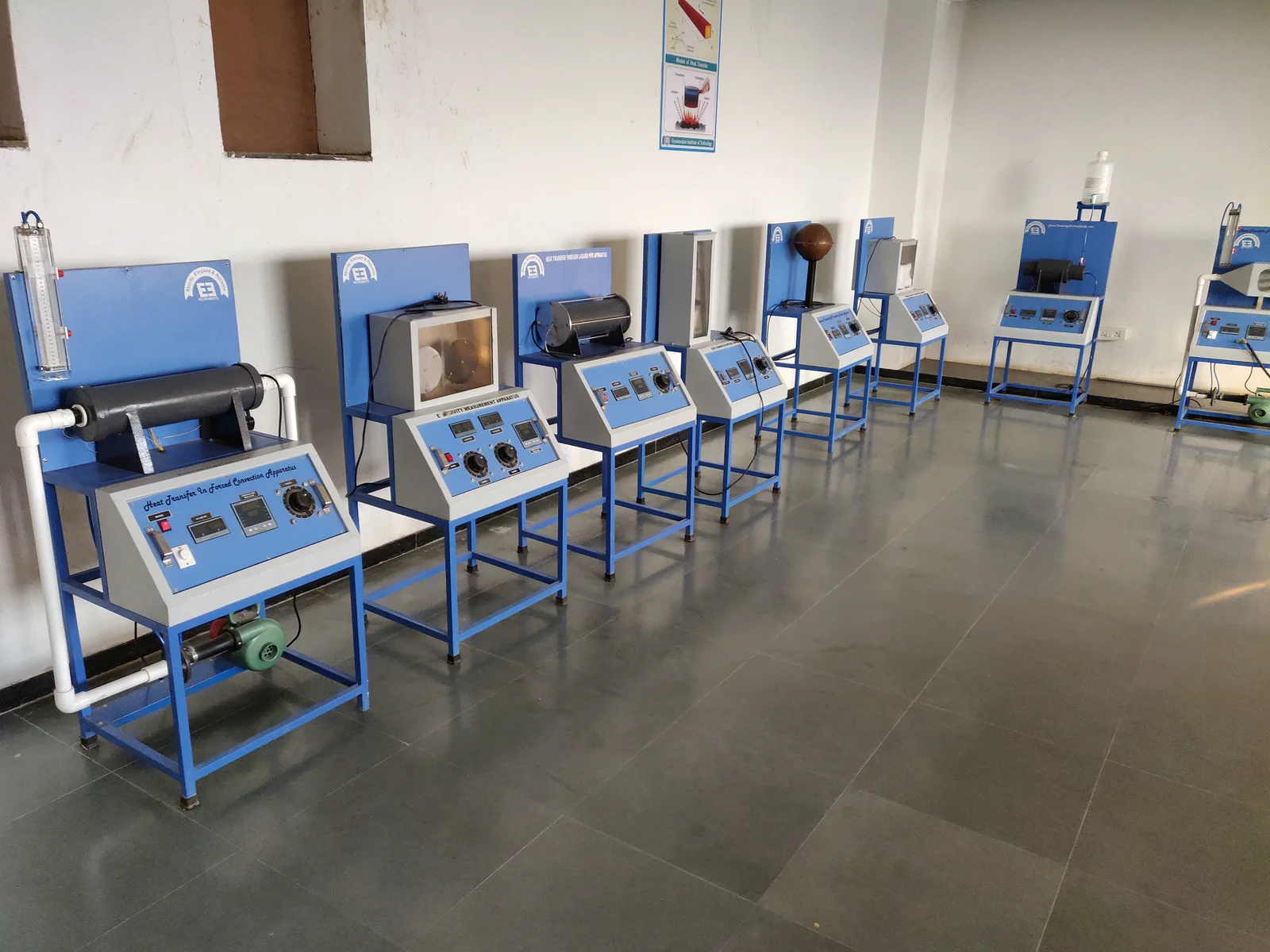
Heat Transfer Operations Lab
A Heat Transfer Operations Lab is a practical educational space where students gain hands-on experience with heat transfer principles and their a...
Explore Laboratories8+
Laboratories
200+
Equipment
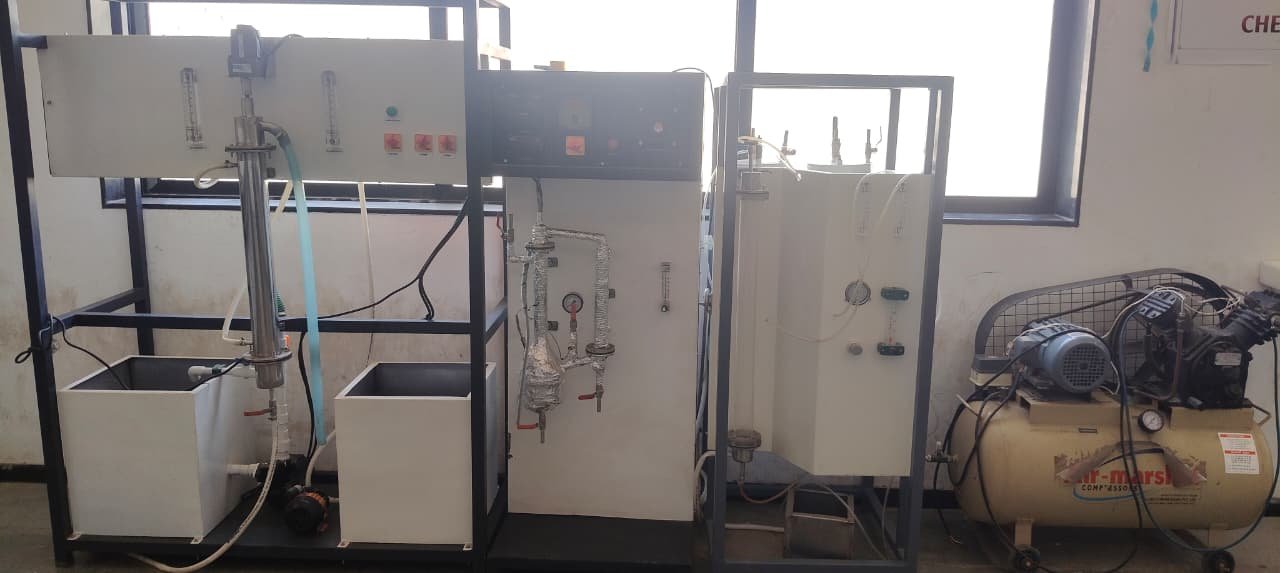
Mass Transfer Operation Lab
A Mass Transfer Operations Lab focuses on understanding and applying the principles of mass transfer, which is the movement of mass from one loca...
Explore Laboratories8+
Laboratories
200+
Equipment
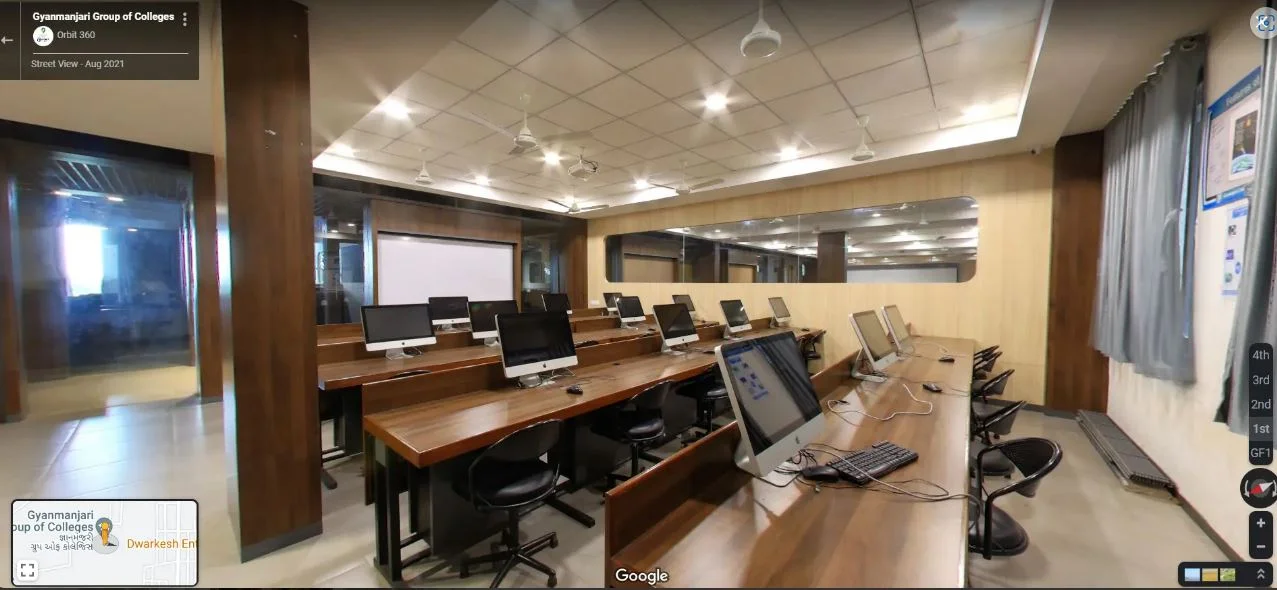
Chemical Engineering Process Simulation Lab
A chemical engineering process lab is a dedicated space where students and researchers conduct experiments and studies related to chemical proces...
Explore Laboratories8+
Laboratories
200+
Equipment
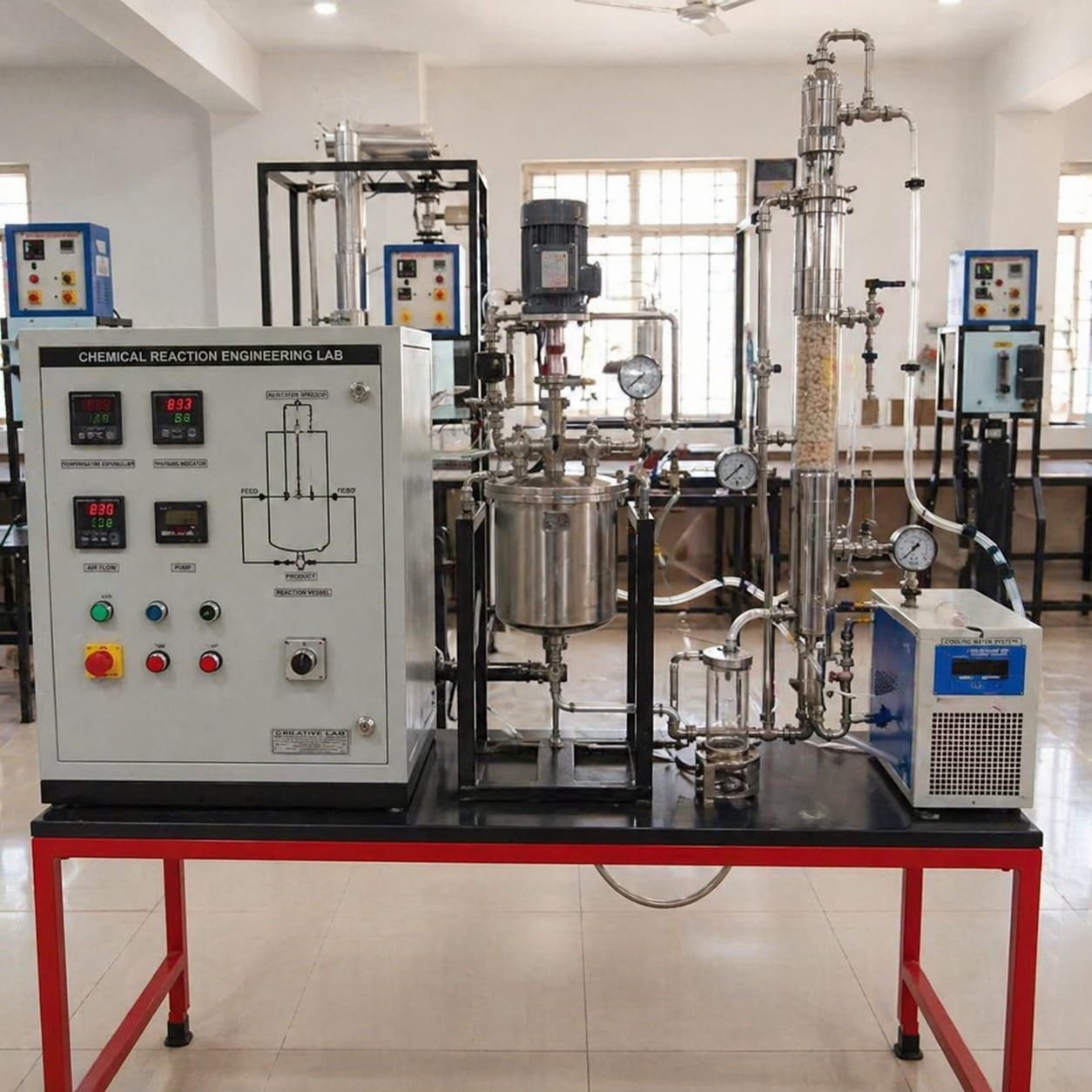
Chemical Reaction Engineering Lab
A Chemical Reaction Engineering lab is a hands-on educational space where students learn about chemical kinetics, reactor operation, and the desi...
Explore Laboratories8+
Laboratories
200+
Equipment

Unit Operations Lab
A Mechanical Operations Lab, particularly in the field of Chemical Engineering, is a hands-on facility where students learn about and apply vario...
Explore Laboratories8+
Laboratories
200+
Equipment
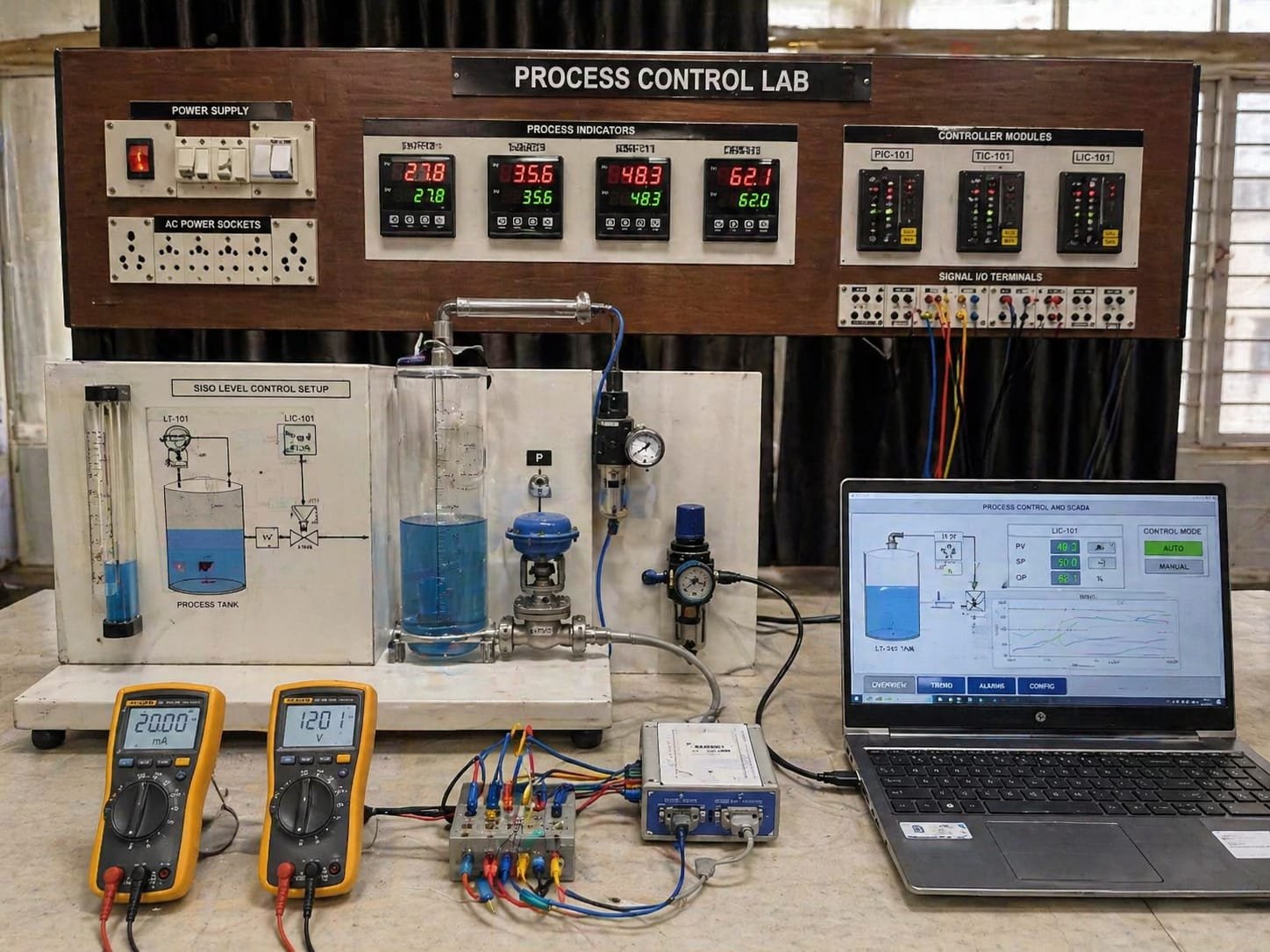
Process Control and Instrumentation Lab
A Chemical Process Control and Instrumentation Lab is a specialized laboratory where students and researchers learn about and apply the principle...
Explore Laboratories8+
Laboratories
200+
Equipment
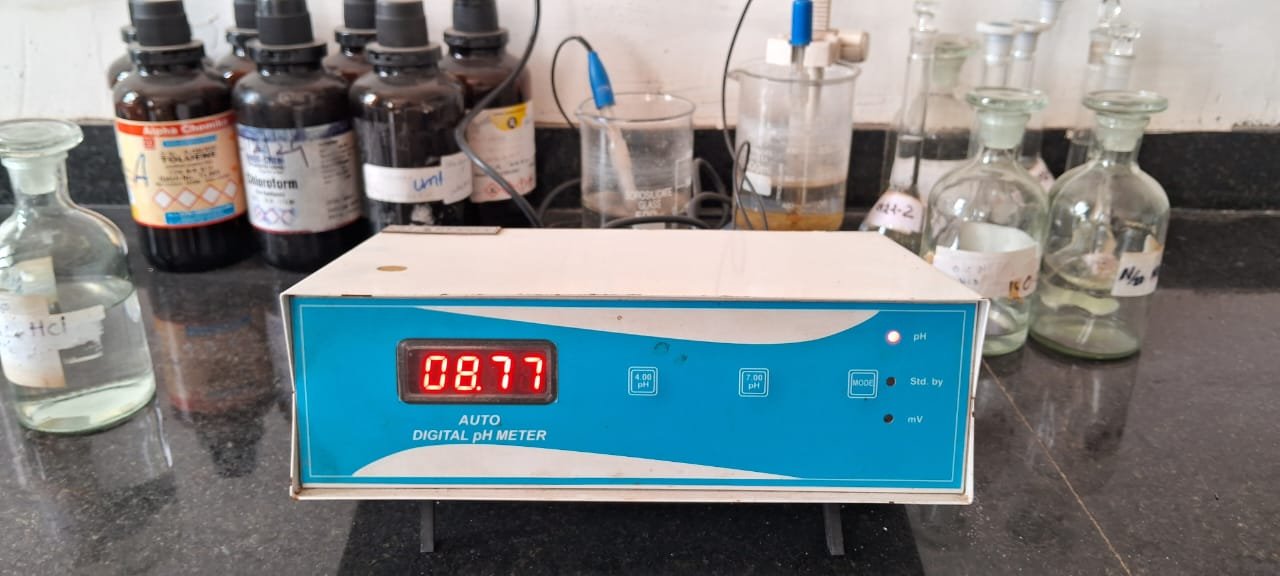
CHEMISTRY LABORATORY
We have well-equipped laboratories of chemistry that provides all the facilities related to volumetric, gravimetric, colorimetric, different instrumen...
Explore Laboratories8+
Laboratories
200+
Equipment